what does it take to get into a engineering college
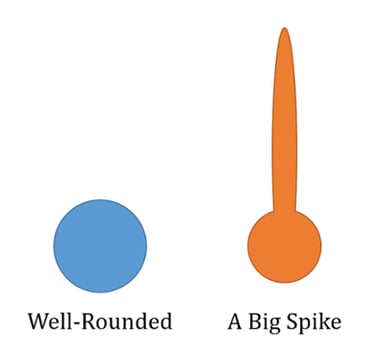
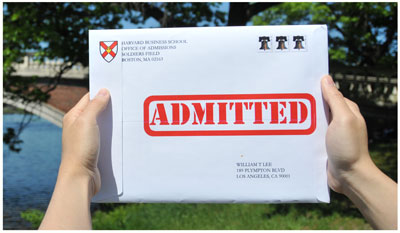
Hoping to major in applied science? Earlier you can do that, you need to get accepted into an engineering program. Many of the best programs are highly competitive, and it can be difficult to stand out from the crowd. In this guide though, we break down what every role of your college awarding must include for you to become a standout engineering science applicant. Follow these tips, and you'll requite yourself the best shot at getting into the engineering plan of your dreams. There are lots of misconceptions around what it takes to get into college, particularly top-tier colleges. Many people think you need to excel in a lot of areas in gild to testify schools that you're smart and talented. Nevertheless, for many tiptop programs, being well-rounded can actually put you at a disadvantage. What the most competitive schools (those with access rates of x% or less) want to meet is that yous're highly-skilled in a specific area. This is especially true for engineering programs. You'll likely struggle to graduate if you lot don't have stiff math skills and an "engineer's mindset." Instead of being pretty good in all your classes, maybe being on math squad, playing an instrument, doing some volunteer work, etc. clearly show your talent in engineering-focused skills. Information technology'll brand you a much stronger candidate. This means stiff accomplishments in areas that relate to technology (so math, science and/or estimator scientific discipline areas). Having a potent focus in a single surface area is what we call a "spike." We become into spikes more than in this article, but, basically, a spike is where you lot focus your talents in one area so that you lot become exceptional in it, rather than be "pretty good" in a agglomeration of different areas. Why is the spike approach improve? Schools, peculiarly elevation-tier schools, want to admit students they think will attain great things after graduation. The best way to exercise this is for the schools to admit students who have already done great things equally loftier school students. Information technology'due south practically impossible to exist truly exceptional in numerous areas every bit a high school student, so instead you lot should focus your efforts in 1 area. Basically, you want every role of your application to scream "I'll be a great engineering student at your schoolhouse, and I'll accomplish groovy things after I graduate." You need to show schools that you take both the skills and work ethic to thrive as an technology major. Engineering science is a tough degree to get, and you don't want colleges to dubiousness you lot can handle it. For your fasten, y'all must show: In the rest of this commodity, nosotros'll explicate how to do this for each part of your higher awarding, and we'll also go over some examples of standout applied science candidates. This guide is most applicable for those hoping to attend top-tier engineering programs, since they'll exist virtually difficult to get into, but anyone hoping to go into an engineering programme will learn how to strengthen their application by reading these tips. Below, nosotros break down how to make each key function of your application as stiff as possible and so you give yourself the best gamble of being accustomed into applied science programs. We go over: For each, we give concrete goals to aim for, as well every bit general qualities your application should have throughout. In full general, remember that you want your engineering/related talents to be most prominent (this includes math, science, and computer scientific discipline). Other areas should be equally stiff as you can make them without negatively impacting your STEM classes/test scores/extracurriculars, etc. Overall, you want it to be clear to someone looking at your transcript that your main passion is engineering. That means lots of STEM classes, at an advanced level when possible, and with high grades in them. Math Classes Equally an applied science applicant, the math classes you have in loftier school will be the nearly important classes on your transcript, then you want them to be strong. Have the well-nigh advanced classes at the most advanced level (honors, AP, etc.) that you lot can while still getting a B or (ideally) an A in the class. You'll likely take algebra I and Two, geometry, and pre-calculus in loftier school. If possible, endeavour to take calculus equally well (peculiarly AP Calculus) considering that'll really assistance your application stand out. Still, it might not be possible depending on your high school math course sequence. If your school offers honors or advanced math classes, take those when you can, every bit they'll show y'all can handle advanced math coursework. If your schoolhouse doesn't offer advanced math classes, look into taking community college math classes instead and peradventure self-studying for math AP exams. At the very minimum, you'll want to have taken algebra ane and ii, geometry, and pre-calculus. You lot should get Equally in at least most of those classes, and nothing lower than a B. You absolutely want at least four years of math classes (you tin can get more by taking multiple math classes in one year.) Science and Computer Classes These subjects are also important to engineers, so y'all want stiff grades in higher-level classes. Take honors and AP classes where possible, and aim not to get anything below a B. The all-time scientific discipline classes for engineers are AP Chemistry and AP Physics (either I and II or the C-level). Computer science/coding classes (particularly AP Computer science) will always be a plus on your transcript, especially if you desire to go into computer science or computer engineering. At minimum, take biology, chemistry, and physics, aiming for mostly As and nothing lower than a B. If you aim to major in a computer-heavy engineering specialty, a computing form is as well adept to have, but it's not a requirement. You want at least four years of science classes (you tin can become more by taking multiple scientific discipline classes in one twelvemonth.) Other Classes Your classes in other subjects affair less, but that doesn't mean you lot tin slack off on them. Aim to take the most challenging classes you can in these subjects WITHOUT negatively impacting your math and science classes. So, if y'all're taking AP US History or AP English Language and it'due south really making it difficult for you to study for other classes or make time for your extracurriculars, drib downwardly to a lower level. These classes are more like the icing on the cake. You want them to be proficient, but not if they ruin the construction of the block. You'll likely need to take 4 years of English, as well every bit at least two years of history. By the fourth dimension you graduate, make sure you're getting 4 or 5 years each of math and science classes, but if you however take infinite in your schedule after meeting your graduation and college requirements, it'southward fine to take some extracurriculars completely unrelated to engineering. As long equally the majority of your transcript is STEM focused, taking a class in interior design or aboriginal history will accept no negative bear upon on your applications. Y'all may have heard that more colleges accept go test optional in recent years. Despite this trend, standardized test scores are yet very important for many engineering programs. In order to excel in an engineering major, yous need to have strong math and analytical skills, and test scores are a major way for colleges to gauge your skills in those areas. For your application, you'll want strong scores on the SAT/ACT too as AP exams and/or Saturday Subject Tests. Saturday/ACT Regardless of which of these tests y'all have (colleges view both equally), your biggest goal will be to get as high a score as possible on the math/science department(s). For the Sabbatum, that'due south the Math department, and for the Act, that's the Math and (to a slightly lesser extent) Science sections. When you utilise as an technology applicant, colleges will be much more interested in your scores on these sections than your scores on the reading/writing examination sections. For top-tier schools like MIT and Caltech, you actually want to go as close to a perfect score on the math sections as possible. Even for less competitive schools, still aim for at least a 700 on SAT Math and 32 on ACT Math and Science. Information technology's definitely possible to get into technology programs with exam scores lower than those, just you'll need to make sure your grades in math/science classes are specially strong. What about for the other sections of the SAT/ACT? The importance of these scores depends somewhat on the type of schools yous're applying to. At schools known for having an engineering focus, like MIT and Caltech, your scores on the reading and writing sections will affair less. A 650 (SAT) or 27 (Act) for those sections is strong enough for those schools. For liberal arts schools, scores on all test sections carry some importance, and then aim for closer to a 700 on the Sabbatum and a 30 to 32 on the ACT on those sections. And, of course, your specific test score goals will depend on the competitiveness of the schools you're applying to. Read our guides to setting SAT and ACT goal scores to come up up with more than precise score estimates (just recall that your math scores will always need to be strong). AP/IB Tests If you can, you should ever aim to submit strong math scores in AP or IB tests. For AP exams, the accented all-time score to have on your application is a high score on the AP Calculus BC test. However, you don't take that, don't despair. Other top AP scores are exams for: Basically, the math/science/computer science classes are all a potent bet. Aim for a 4 or (ideally) a v in them. As for exams in history/English/etc., go along following our guideline of "more is meliorate, just not at the expense of your core." If you lot can take exams in these other subject areas and do well, then do so! But don't study so much for them that you neglect the more than important engineering-focused exams. This is the expanse where you lot can actually brand your college applications stand out. Your extracurriculars tin have you from an boilerplate or even beneath-average candidate, to one schools are clamoring to admit. In general, you lot desire the majority (about ¾) of your extracurriculars to chronicle to engineering/math. This volition reinforce your spike. There are multiple ways to become strong extracurriculars: Competitions Participating in STEM competitions is a great way to show colleges that you're one of the best. Some of the most impressive competitions are: AIME, Biology Olympiad, Chemistry Olympiad, Physics Olympiad, and Regeneron ISEF. Placing loftier in 1 of these is, on its own, almost plenty to guarantee access into pinnacle applied science programs. However, other competitions similar Math Team, Science Olympiad, Academic Bowl, etc. are still skilful to include on your application. Manifestly, placing high will look amend, merely even competing is a stiff extracurricular, especially if you give concrete numbers for how much you prepared each calendar week/semester for the competition. Clubs Participating in STEM-related clubs is a very common extracurricular for hopeful engineering majors, and it's a solid thing to include in your applications. There are means to make your gild participation stronger, though. It isn't piece of cake to get an internship or enquiry feel as a high school student, but if you can, it's an outstanding thing to include in higher applications. This is because work experience frequently requires a lot of skill and motivation, and you can end upward working on projects many other students wouldn't be seeing for years. So how can yous get this opportunity? It'll have a combination of work and luck. Try contacting engineering companies, individual engineers/researchers you know, local community college professors, as well as doing internet searches. Explain that you're a high schoolhouse pupil planning on majoring in engineering, and y'all're looking for any work experience you can go. Include a resume (if y'all accept one), and any relevant classes/extracurriculars. Again, expect a lot of rejection since you'll probably exist competing with college students for these jobs, particularly if they're over the summertime. Be open to whatsoever opportunity that comes along. It might merely exist a ane-day job shadow, a short-term volunteer opportunity, or a job cleaning a inquiry lab, but if y'all can evidence your interest and work ethic and keep in touch with your contacts, you may eventually be able to leverage it into an opportunity where you're actually doing applied science-related work. Individual Activeness What if you've done a lot of engineering-related work, but it wasn't a part of any school or job activity? You can include this at-dwelling house extracurricular in some cases, but information technology must exist consequent and quantifiable. Spending an afternoon messing around with a automobile engine or computer program isn't good enough because it doesn't show real passion or skill. To include an at-habitation activity on your college awarding you need to at least: Some examples would exist: Camps In full general, we recommend steering away from camps every bit an extracurricular activity. Many of these (such as NSLC, NYLF, etc.) price thousands of dollars to attend but won't add together annihilation to your awarding. This is considering the programs are also short (usually only a few days) and don't require much skill or effort from participants. You may learn cool things and run into cool people, but mostly they're not much different than sitting in the classroom. And then don't experience like you need to nourish a pricey campsite to become into a adept engineering program; in most cases your time and money are better spent on any of the other extracurriculars we're discussing. The just exception is if a camp is highly prestigious and hard to get into. The Research Science Found (RSI) is the all-time example of this. It's a complimentary scientific discipline and engineering summertime program where students behave enquiry on MIT's campus. This is an outstanding extracurricular to take! Nevertheless, it's also ultra competitive to get into, with simply nigh a 5% credence rate. RSI isn't the only military camp worth attention, just, in general, know that only fairly competitive (credence rates of about 33% or lower) camps where you do your own inquiry (as opposed to mostly attending classes) will actually assist your spike. You don't take to write almost engineering in your personal statements; there are plenty of examples of students writing virtually unrelated or even irreverent topics and notwithstanding getting into meridian engineering programs. Notwithstanding, if you accept a personal statement prompt where y'all must explicate why yous're applying to a particular school, you should discuss your interest in the school's technology plan. The more detailed you can be the better, so mention specific classes/professors/research and internship opportunities in the engineering program that yous're excited nearly. For more than open-ended essays, we recommend mentioning your interest in engineering if you can make it fit with the essay topic, equally this volition go along strengthening your spike. Y'all can get creative with how you incorporate your love of engineering into the prompt. Here are some examples: Obviously, your essay topic will depend on your own private circumstances, just there are many ways to relate it to your applied science spike. Besides general college essay tips, your focus should be to highlight your passion for engineering. If there's anything you lot're especially proud of in your engineering spike, this is a keen place to mention it again. This is your take chances to really show your personality, goals, and strengths in a way yous tin't in the rest of your application. So allow colleges see who you lot are and why you're going to be a great engineer! But y'all don't demand to come up off as perfect. You lot can discuss struggling with tough math classes, or being unsure of what you wanted to written report, as long as you tin explain that you're now prepare to thrive as an undergrad engineering science educatee. Ideally, at to the lowest degree one of your messages of recommendation volition exist written past a math teacher of yours and tin can discuss your strong quantitative skills and involvement in engineering. Some schools crave one letter of the alphabet from a math/scientific discipline teacher and another from an English/history instructor, but if they don't, feel free to have all your messages written by math or science teachers. Hopefully these are the subjects you're strongest in, and then they'll be able to write the best letters for yous. Messages of rec aren't the near important office of your application, but you notwithstanding want them to be strong and to bolster your spike. When you ask a teacher to write y'all a letter of recommendation, accept a (short) list of topics they could include (your teacher will ultimately have complete control over what they write though). These tin can include hard exams y'all scored highly on, interest you've expressed in becoming an engineer, examples of you solving challenging problems, a history of you answering questions regularly in form and/or helping other students. You desire your teacher to write almost your values, goals, and accomplishments, especially as they relate to engineering science, so giving them a "brag canvas" like that can really help. Other general tips for letters of rec: Want to build the all-time possible higher application? We can help. PrepScholar Admissions is the world's all-time admissions consulting service. We combine world-class admissions counselors with our data-driven, proprietary admissions strategies. We've overseen thousands of students become into their top selection schools, from land colleges to the Ivy League. Nosotros know what kinds of students colleges want to admit. We want to become y'all admitted to your dream schools. Larn more than almost PrepScholar Admissions to maximize your take chances of getting in. Below are some hypothetical examples of students who developed nifty engineering spikes. We have two examples for height-tier engineering programs, and one instance for second-tier programs. Students with these profiles don't accept a guarantee of getting into their schools of choice, but these examples can give yous a jumping-off signal for developing your fasten and setting goals for yourself. Profile 1: Aleks the Academic Standout Grades: Took the most challenging math and science classes in school, as well as a mix of honors and AP classes in English and social science. Also currently taking Calculus III at a local community college. As in the majority of his classes (including all STEM classes) for an unweighted GPA of 3.92 Test Scores: 800 on SAT Math, 720 on EBRW. AP scores in BC Calculus, Physics, Chemistry, Statistics, and Informatics, besides as World History, US History, and English language Linguistic communication. 5s in all math and science APs, with a mix of 4s and 5s in the rest. Extracurriculars: Qualified twice for AIME and Math Olympiad. As a junior, received a top-ten score on the Math Olympiad. Mathletes team captain (with several state-level wins). Played guitar for half-dozen years, volunteers at an animal shelter. Personal Statement: Discussed his lifelong love of problem solving, and how he approaches hard life decisions the same way he solves catchy math equations. Messages of Rec: One from his calculus teacher stating that Aleks has the strongest grasp of higher-level mathematics of almost any student he has taught and that he is always meridian of the class in exam scores every bit well every bit willing to tutor other students. The other letter is from his AP English teacher who states Aleks is clearly STEM-oriented but still makes a articulate effort in other classes, and works hard to improve his writing skills. Summary: Aleks is clearly a math whiz. He gets pinnacle grades in all his math classes, is already on Calc III, and has top AP scores for STEM classes. His math teacher's letter supports this. By far the strongest part of his application is his high score on Math Olympiad, which, on its own, is enough to get him admitted into many top technology schools. He clearly is a math genius, and schools will be clamoring for him. He'due south skilled in other areas as well, and has other interests, but math is clearly his passion. Profile 2: Ivy the Extracurricular Whiz Grades: Ivy has aced all her math and science coursework, but she struggles more in English and social studies. She just takes regular-level English language classes, although she has taken AP United states History and AP Psychology. She gets mostly Bs, with a few Every bit, in her non-STEM classes. Her overall unweighted GPA is a 3.6. Test Scores: On the ACT, Ivy scored a 36 in Math, 36 in Scientific discipline, a 31 in English language, and a thirty in Reading. For APs, she doesn't accept a lot of STEM scores withal since she's currently taking AP Calculus BC, AP Statistics, and AP Chemistry, but she did earn a 5 in AP Physics, too every bit 4s in AP US History and AP Psych. Extracurriculars: Ivy's biggest achievement was participating in the The states Chemical science Olympiad study campsite, which selects the tiptop 20 students nationwide after a serial of enervating qualifying tests. These students are trained, and the top five stand for the U.s. at the International Chemistry Olympiad. Ivy didn't get into the acme v as a junior simply hopes she will every bit a senior. Ivy is besides fascinated by inquiry and has worked in an engineering science research lab at her local higher for the past two years. Throughout the schoolhouse year, she spends 10 hours a week on research work just has too spent 2 months for the past two summers working full-time on research. Her enquiry concerns modeling and analysis in biochemical engineering. Ivy is also a member of her school's Science Bowl and Mathletes teams, though these haven't moved beyond the state level. In her gratis time, Ivy enjoys embroidery and reading. Personal Statement: In her personal statement, Ivy talks more deeply about her interest in chemistry and engineering science on a philosophical level, and how her interests have evolved over the years. She also ties her current research to the research she hopes to conduct equally an undergraduate and (eventually) as a PhD student. Letters of Rec: Sarah has letters from her AP Chemistry teacher, her AP Calc BC teacher, and her camp supervisor at the Chemistry Olympiad written report military camp. They mention her aptitude for math and science, also as her strong lab and research skills. Summary: Ivy is more "lop-sided" than Aleks, but she's still an infrequent candidate who will likely have her pick of where to attend higher. She's not particularly potent in liberal arts subjects, but considering she has such a strong fasten in chemistry and engineering, she has a very competitive application. From her competitions, it'southward clear that she's world class in her abilities. Ivy's inquiry experience also sets her apart. Only through those 2 things lonely, she's achieved much more than the vast majority of high school students, and this makes upward for lower grades and exam scores in areas exterior her engineering fasten. She doesn't need "filler" for her application, like volunteer hours, or AP English classes, or noesis of a musical instrument. Her spike is enough. Contour 3: Opal the Future Civil Engineer Grades: Opal has taken the nearly advanced math and scientific discipline classes her school offers and gotten mostly Every bit, with one or 2 Bs. She has a mix of As and Bs in her other classes, for an unweighted GPA of 3.5. Test Scores: Opal took the Sabbatum, and she earned a 770 in Math, and 690 in EBRW. She has a mix of 4s and 5s on her 3 AP scores, and she's taking four more AP classes her senior twelvemonth. Extracurriculars: Opal is squad captain of the Math Competition team, and a member of her school'due south Science Olympiad team. Both teams have won regional awards and competed at state competitions. Opal as well started her own school club that researches cheap solutions for engineering issues in developing countries and coordinates deliveries of the projection. Opal is designing her own h2o purification image, which isn't ready for public use notwithstanding. Opal'south club has donated more than than 100 products to 3 towns in Haiti, helping over 500 people. Additionally, she also plays on the school lawn tennis team and is a member of her church choir. Personal Argument: Opal discusses a volunteer trip she took to Haiti as a high school pupil and how impacted she was by seeing people without access to running water. It propelled her into focusing on civil engineering, and she plans to focus her career on developing water infrastructure projects in developing countries. She mentions specific professors and programs the school offers that relate to her goals to show what a skilful fit the school is for her. Letters of Rec: Opal's letters of rec are written by her pre-calculus teacher, English teacher, and she has an additional letter written by the supervisor of her Republic of haiti trip. All mention Opal's goals for improving the earth, equally well as her kindness and intelligence. They also each include specific stories of Opal helping others. Summary: If creating a spike seems daunting to you, Opal is an instance of someone who used the resources she had to become a stiff bidder. Her grades and test scores are potent, but not perfect, and she didn't win any prestigious competitions. However, her letters of recommendation and personal statement shows someone with a strong sense of what she wants and life and who is committed to helping others. Opal also has stiff leadership skills, as shown by the club she founded. Including concrete numbers most the number of people the social club has helped and the supplies donated shows that this is something that has had a real, tangible impact. Applying to engineering problems tin can be tough, but knowing how admissions decisions are made can make the process much easier. It's all about having a strong spike and showing colleges you'll have a pregnant, positive affect on campus. As you're working on your college applications, proceed the post-obit tips in mind: You don't demand "filler" activities to take a competitive resume; a strong engineering spike is enough Extracurriculars are frequently the make-or-interruption function of your application Engineering-related parts of your loftier school career should take precedence over not-technology parts Do activities that make you happy and build your passion, rather than those you only practice because they look "impressive" to colleges. Colleges often run into right through the latter, but genuine passion is something they love. What are the best schools for engineers?Check out our guide on the top 25 engineering schools to find out! Desire pinnacle standardized test scores?Read our famous guides on how to become a perfect Saturday score and perfect ACT score, written past expert full-scorers. Thinking alee to higher applications? If you're a freshman, sophomore, or junior worried about higher admissions, our world-class admissions counselors can help. Nosotros know exactly what kinds of students colleges want to admit and can make sure your contour shines. PrepScholar Admissions is the world's best admissions consulting service. We've helped thousands of students get into their top option schools, from country colleges to the Ivy League. Join our mentoring programme today: 
What Do Colleges Await for in Applicants?
How Tin can Y'all Print Colleges as an Engineering Applicant?
Classes

Test Scores
Extracurriculars
Work Experience 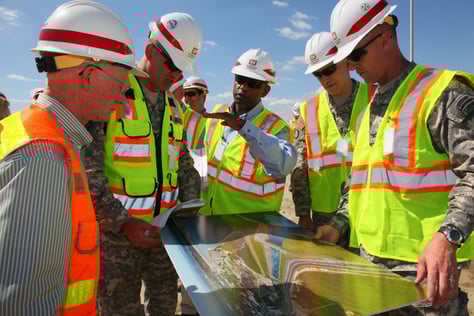
Personal Statements
Messages of Recommendation

What Do Good Examples of Engineering Spikes Look Similar?
Top Tier Engineering Programs (MIT, Caltech, Stanford, etc.)

Mid-Tier Engineering Programs (Academy of Michigan, Cal Poly, Academy of Illinois Champaign-Urbana, etc.)
Concluding Thoughts: Applying to College equally an Engineer
What's Next?


Christine graduated from Michigan Land University with degrees in Ecology Biology and Geography and received her Master's from Knuckles Academy. In high schoolhouse she scored in the 99th percentile on the Sat and was named a National Merit Finalist. She has taught English language and biology in several countries.
penningtonwone1961.blogspot.com
Source: https://blog.prepscholar.com/how-to-get-into-engineering-school
0 Response to "what does it take to get into a engineering college"
إرسال تعليق